Juice quality monitoring

Real-time visibility into sugar juice quality

Zutora helps sugar factories monitor juice quality continuously by combining inline measurements such as Brix, color, turbidity and temperature into one practical process monitoring system. This gives operators earlier insight into process changes and supports better control of purification, evaporation and downstream crystallization.

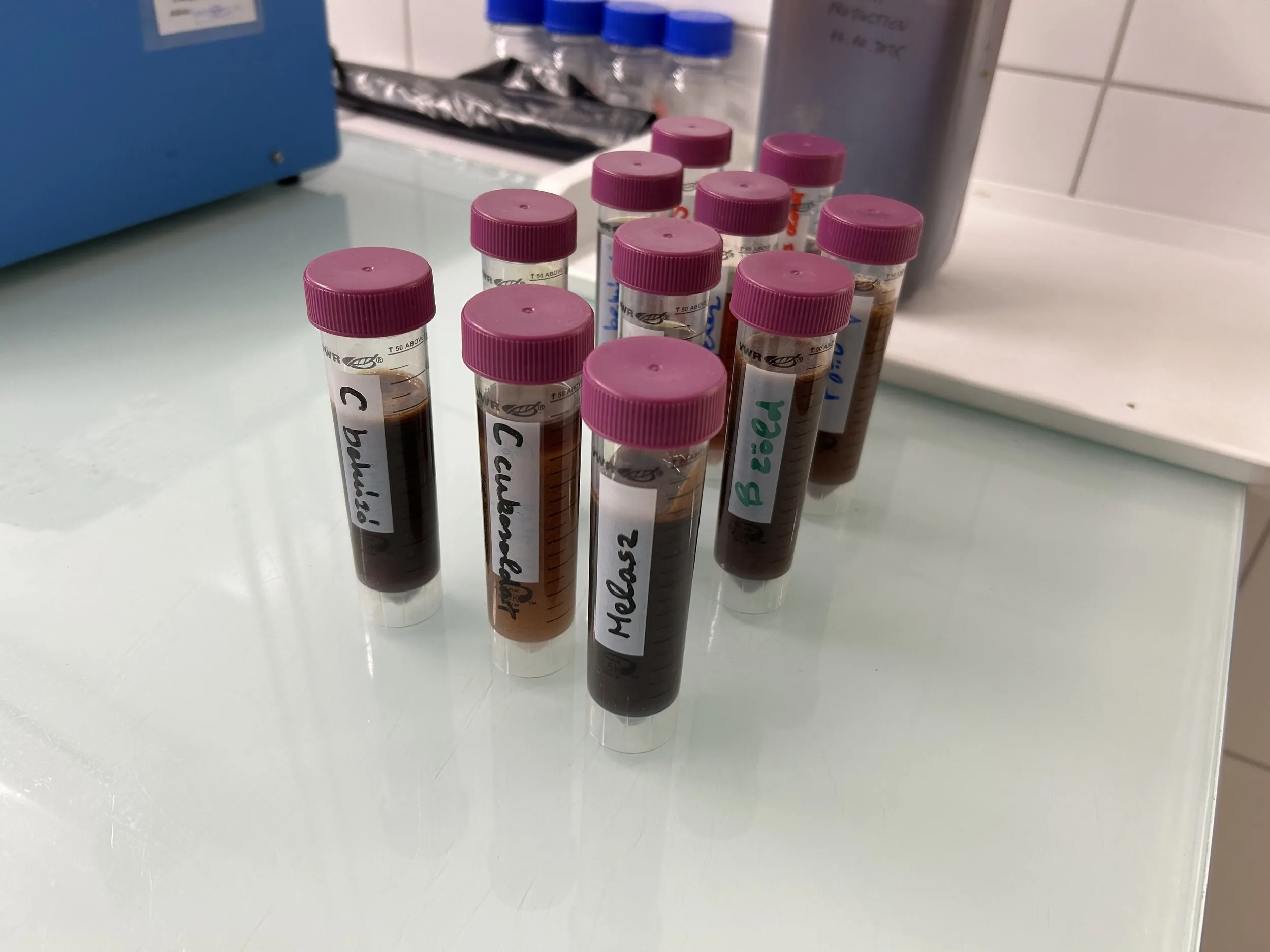
Sugar juice samples from different process stages

Juice quality changes continuously. Laboratory data often arrives too late.

Sugar juice quality can change quickly due to raw material variation, extraction conditions, clarification performance, evaporation stability and process upsets. Laboratory analysis remains essential, but it usually provides only periodic snapshots.

For process operation, delayed information can make it difficult to detect trends early, compare process areas, or understand how upstream changes affect evaporation and crystallization.

Inline juice quality monitoring helps bridge the gap between laboratory measurements and real-time process control.
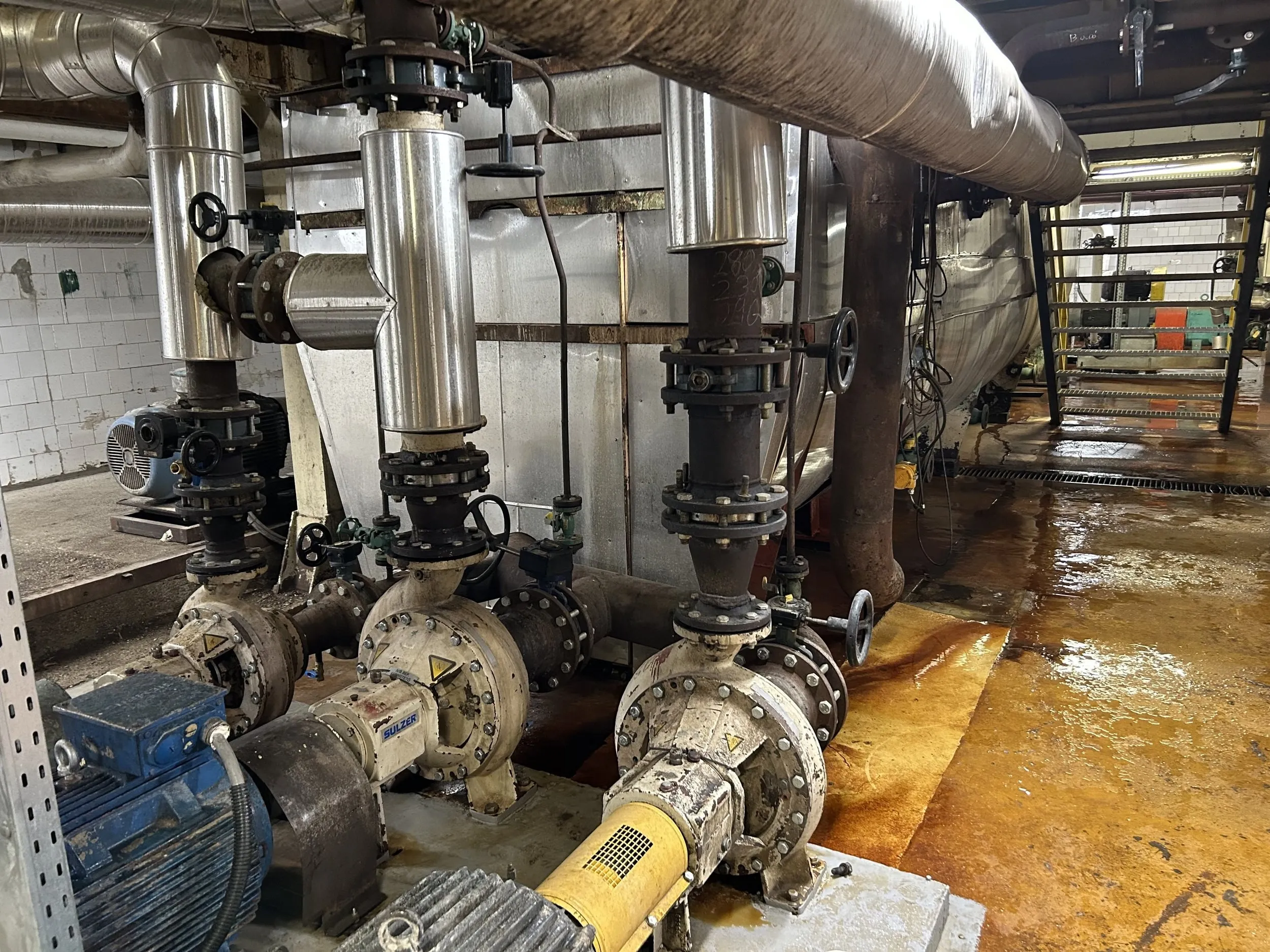
Juice pumps and pipework in a sugar factory

Challenges

01

Delayed quality feedback

Laboratory values are valuable, but they may arrive after the process condition has already changed.

02

Limited visibility between process areas

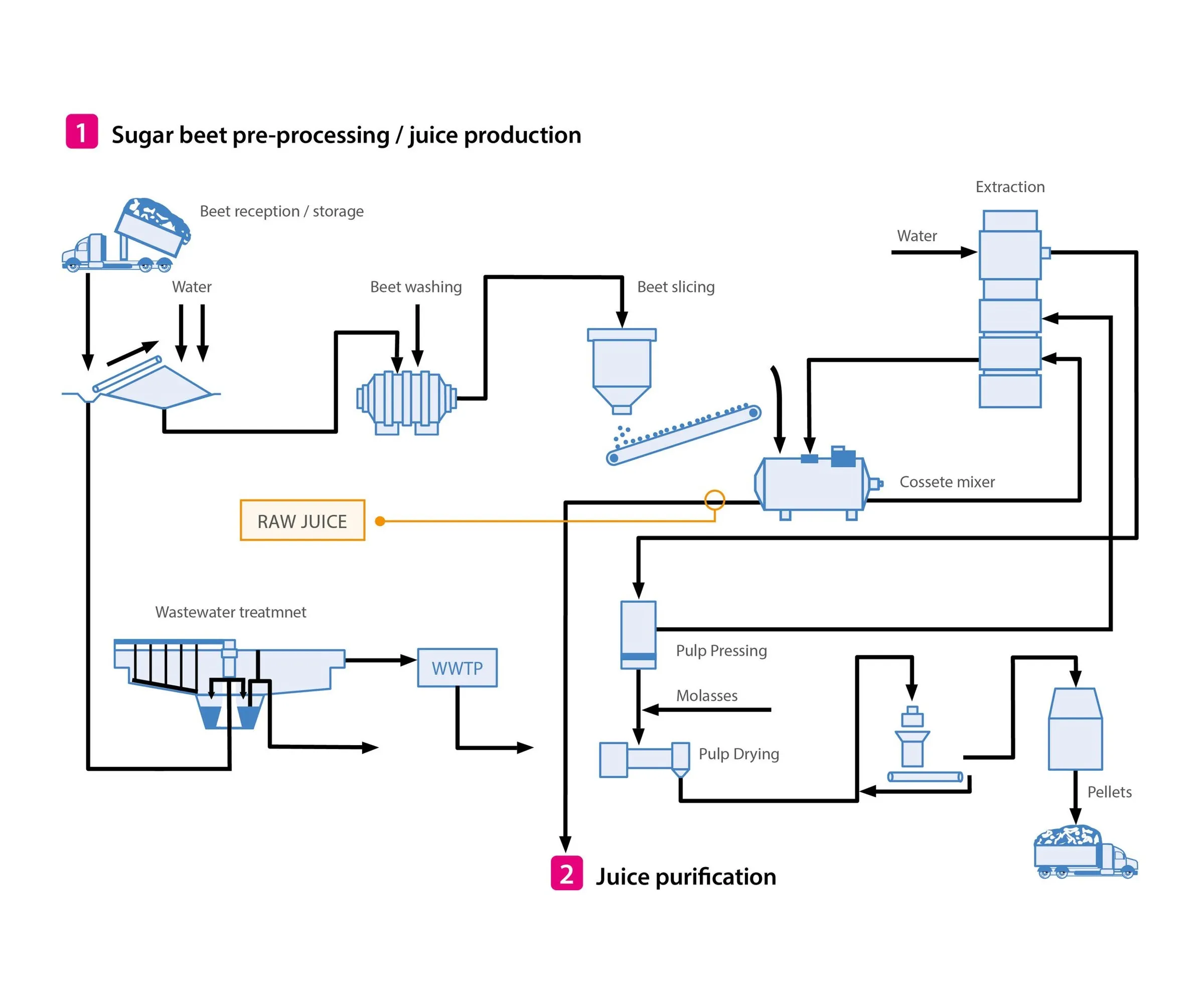
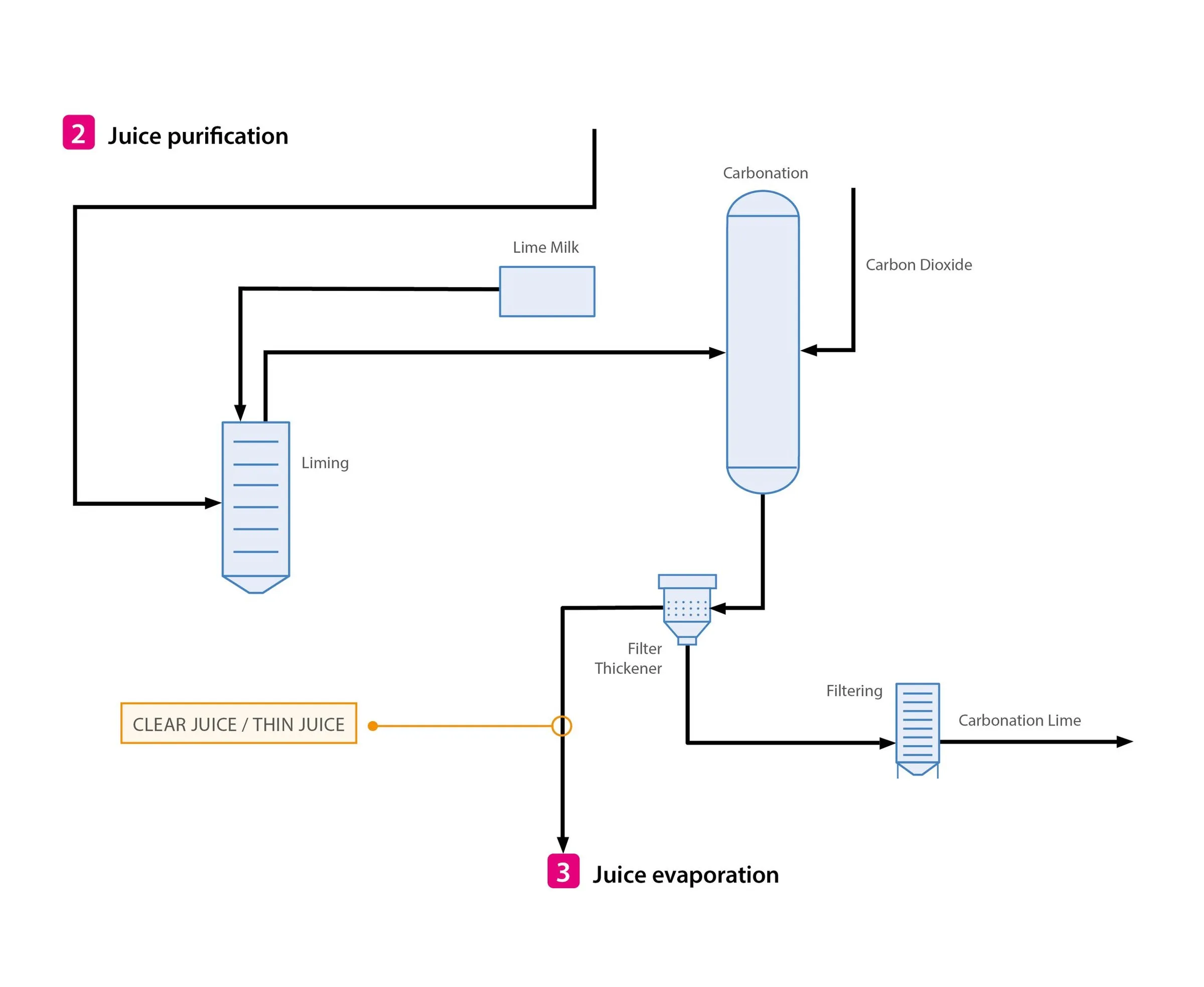
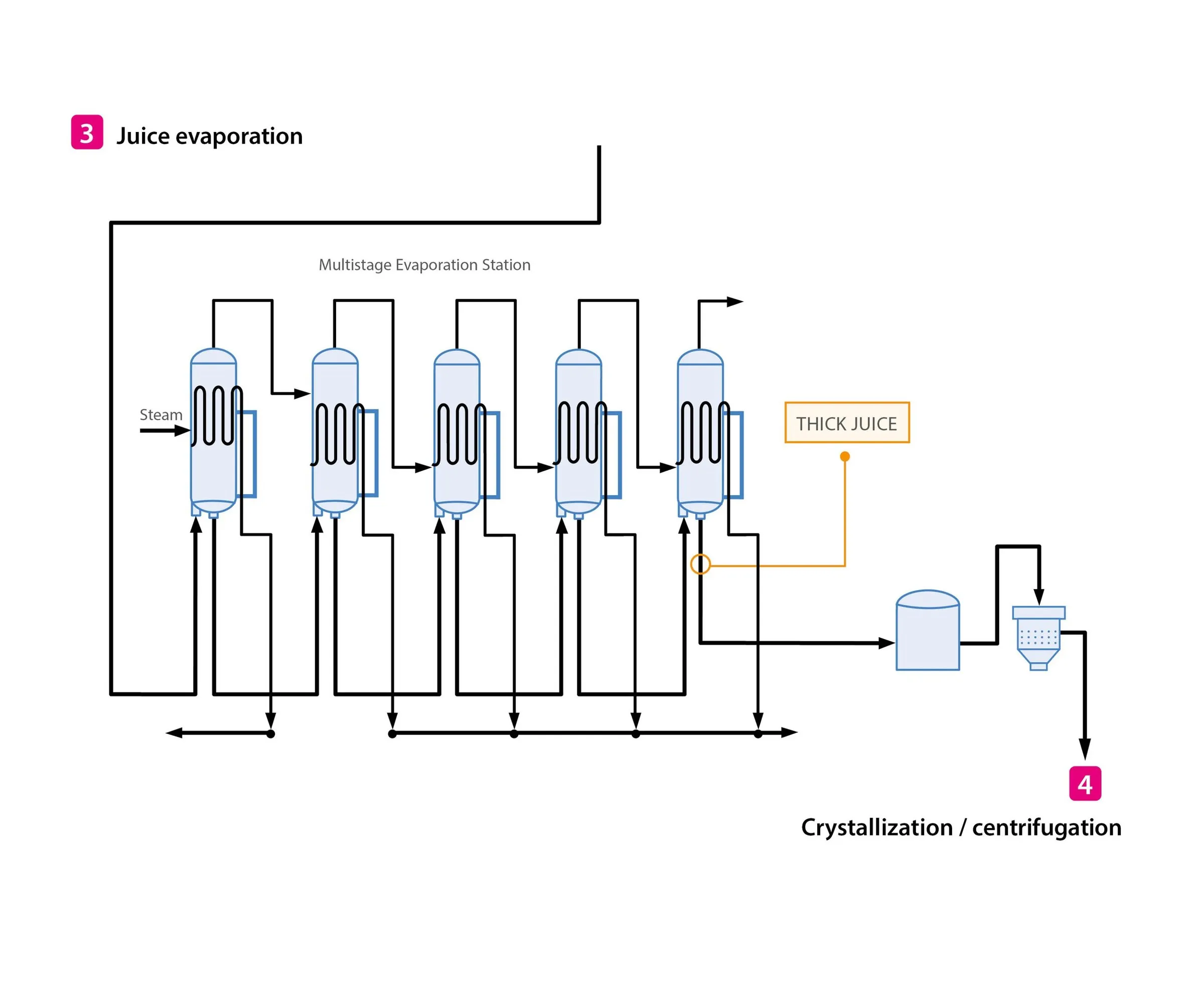
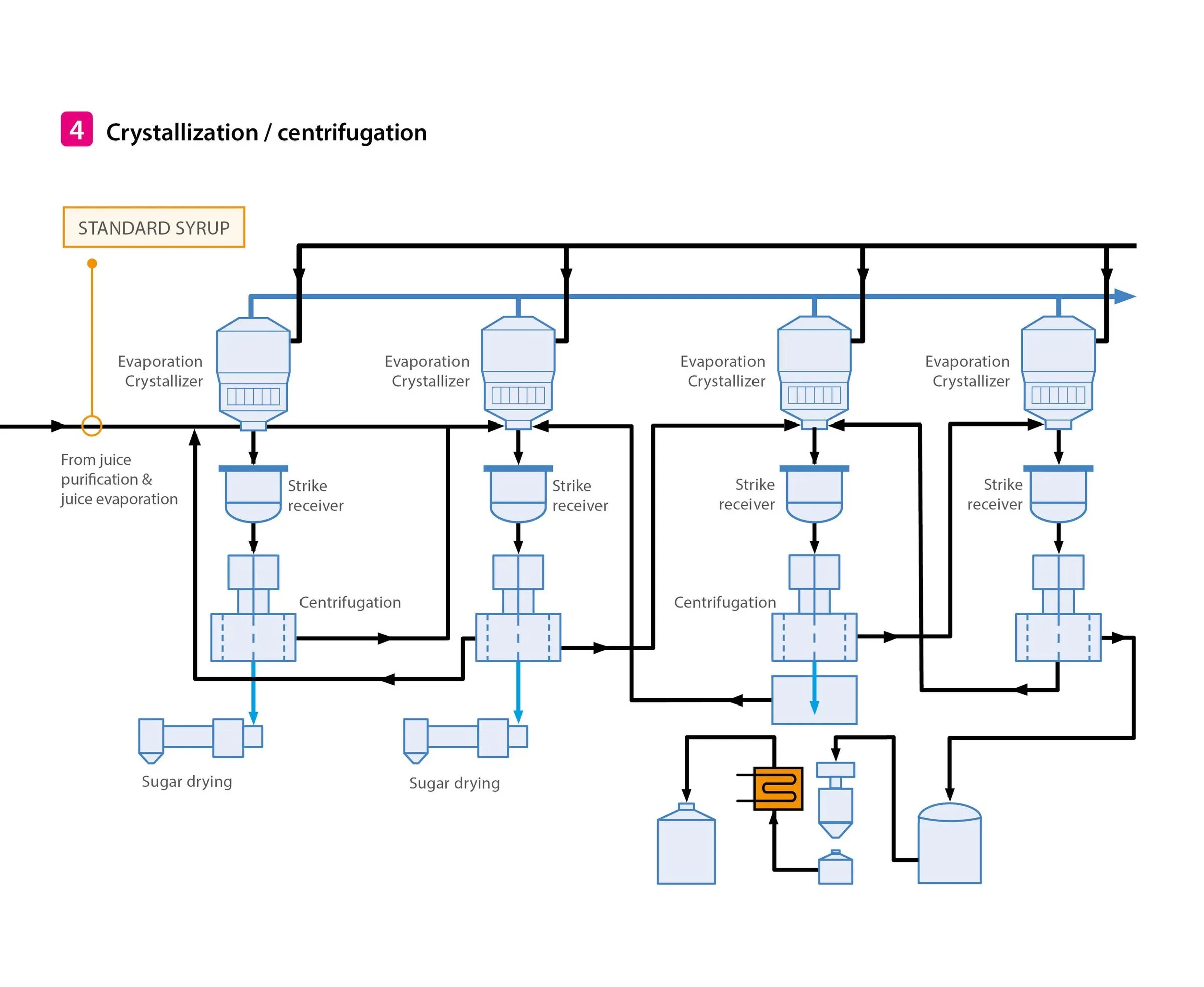
Operators may not clearly see how juice quality changes from raw juice to clarified juice, thin juice or thick juice.

03

Changing raw material and process conditions

Beet and cane quality, clarification performance and process loading can vary continuously.

04

Downstream impact

Juice quality affects evaporation, crystallization, product color, energy use and overall factory stability.

What can be monitored inline

01

Brix / concentration

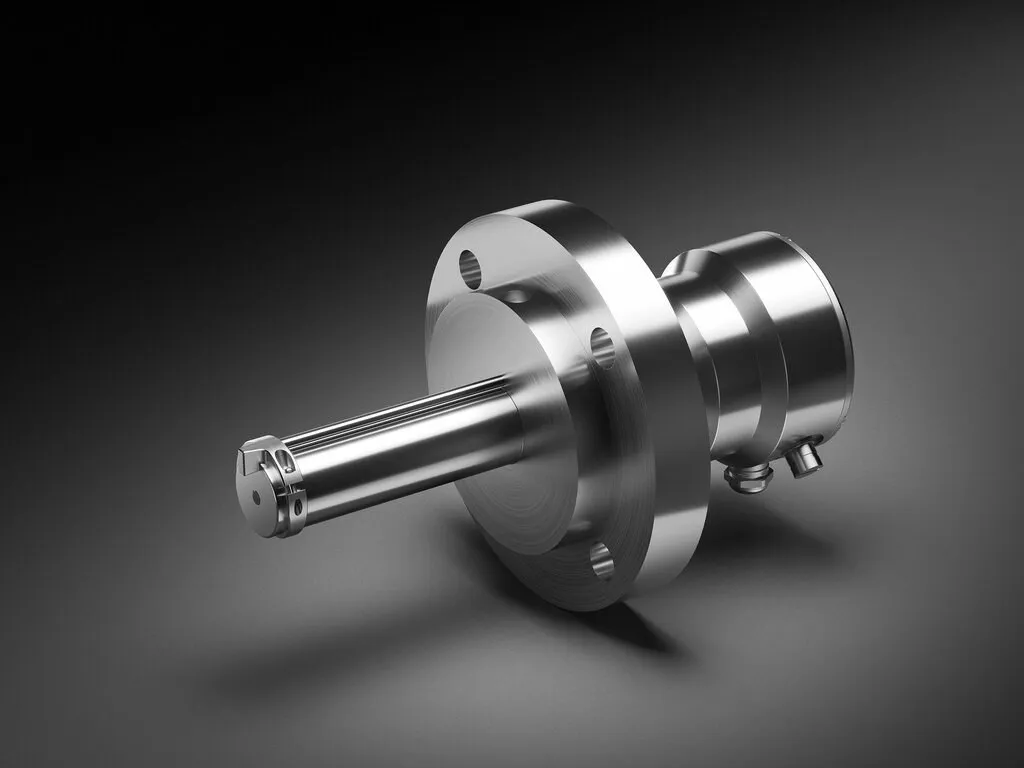
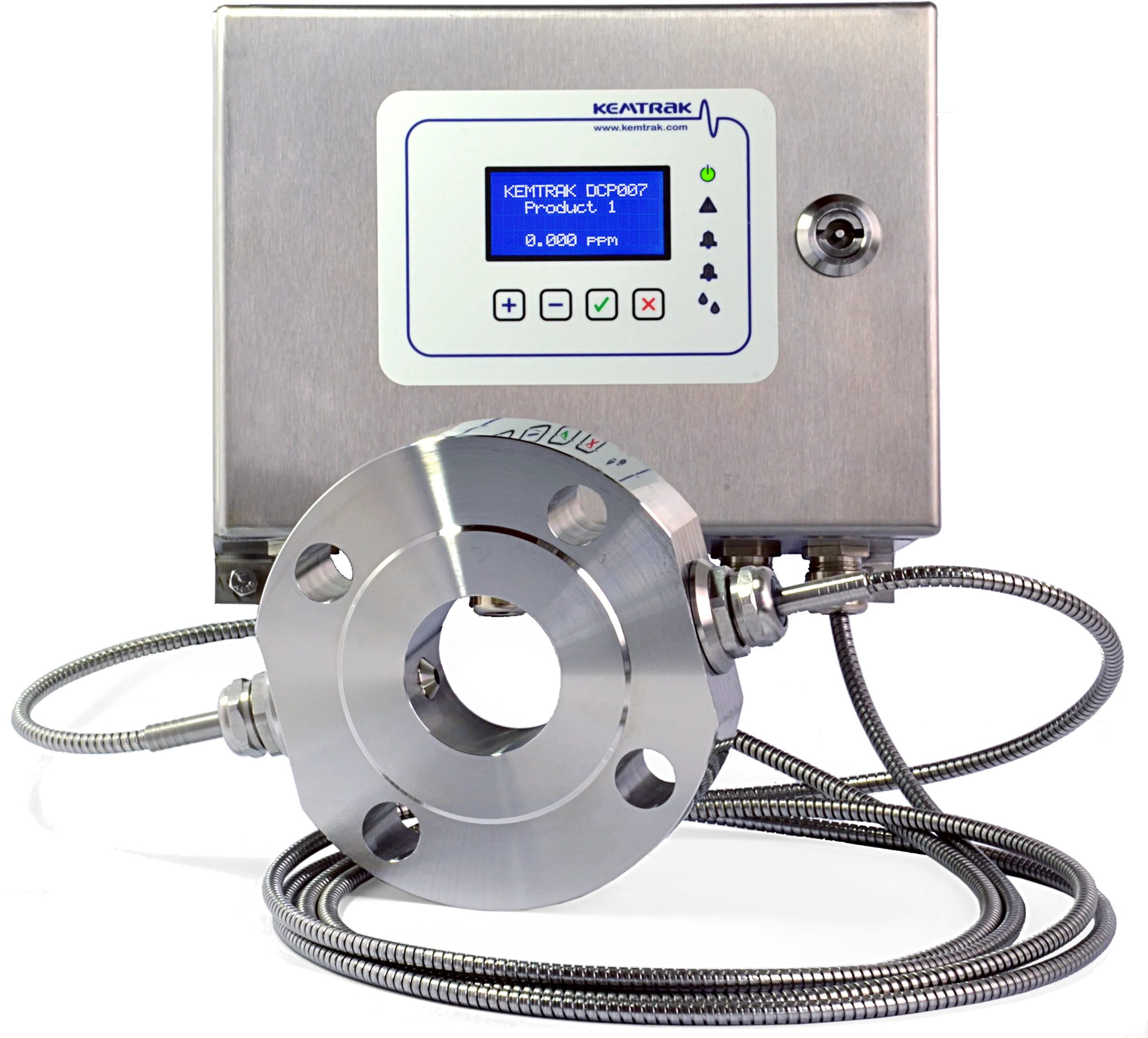
Inline refractometers provide continuous concentration measurement in juice and syrup streams. Brix trends help operators understand dilution, evaporation performance and process stability.

02

Color

Photometric measurement can monitor juice color continuously, helping factories follow purification performance, color removal and quality trends between laboratory checks.

03

Turbidity

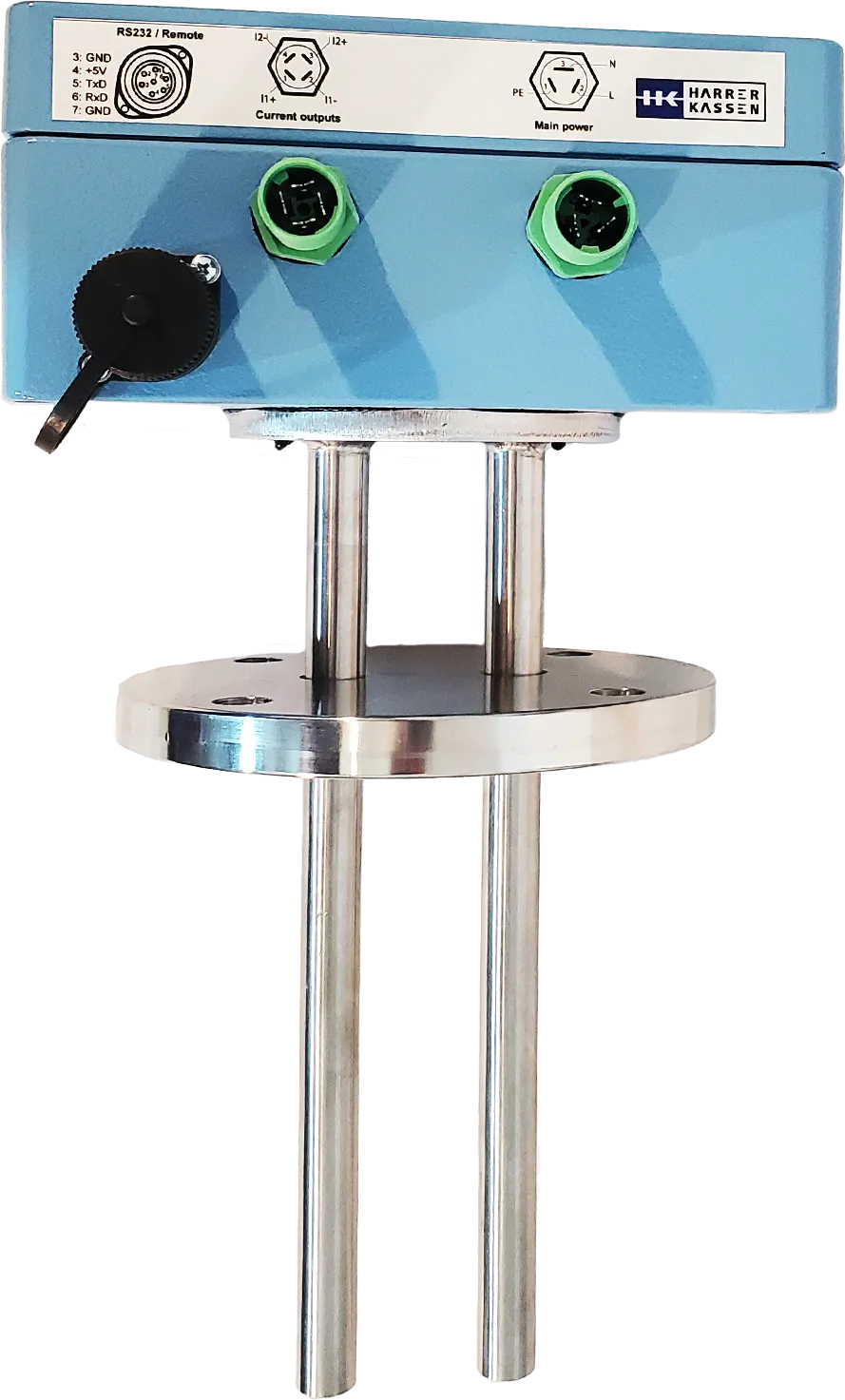
Turbidity or optical absorption measurements can indicate suspended solids, clarification performance, filtration issues or process disturbances.

04

Temperature

Temperature compensation is essential for reliable interpretation of concentration and optical measurements.

05

Optional calculated values

Depending on the measurement setup, inline data can be used to create compensated trends, quality indicators, alarms and process KPIs.

JuiceTracker: continuous juice quality monitoring

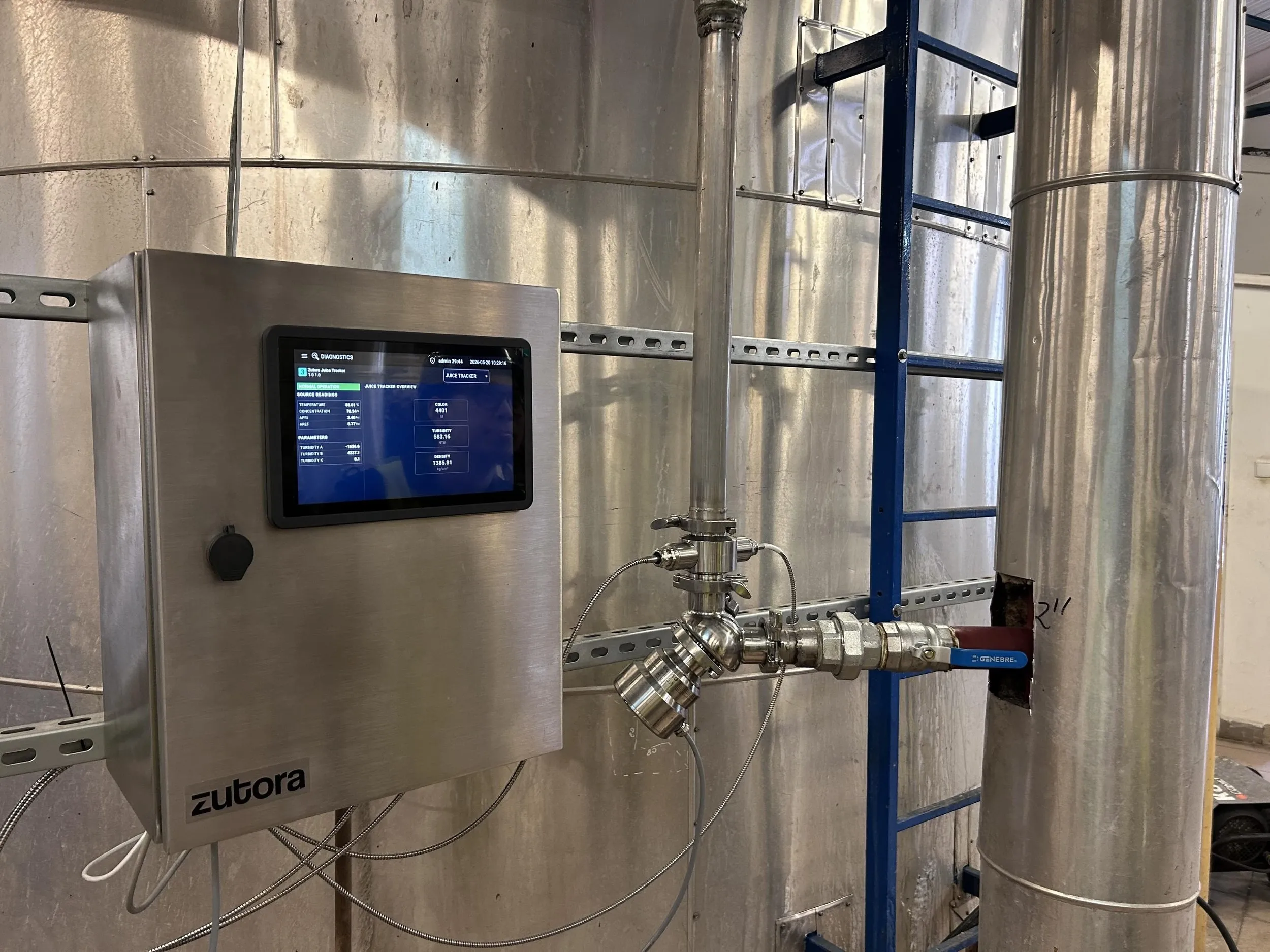
JuiceTracker is Zutora’s solution for real-time monitoring of sugar juice quality. It combines inline analyzers, application-specific calculations and a clear operator interface to show how juice quality changes over time.

The system can be configured for different factory layouts and measurement points, such as raw juice, clarified juice, thin juice, thick juice or other process streams.

Core capabilities
  • Inline Brix / concentration measurement
  • Inline color measurement
  • Inline turbidity or absorption measurement
  • Temperature compensation
  • Real-time trends
  • Alarms and quality indicators
  • Data logging and export
  • Optional integration with factory automation systems
Learn more about JuiceTracker →
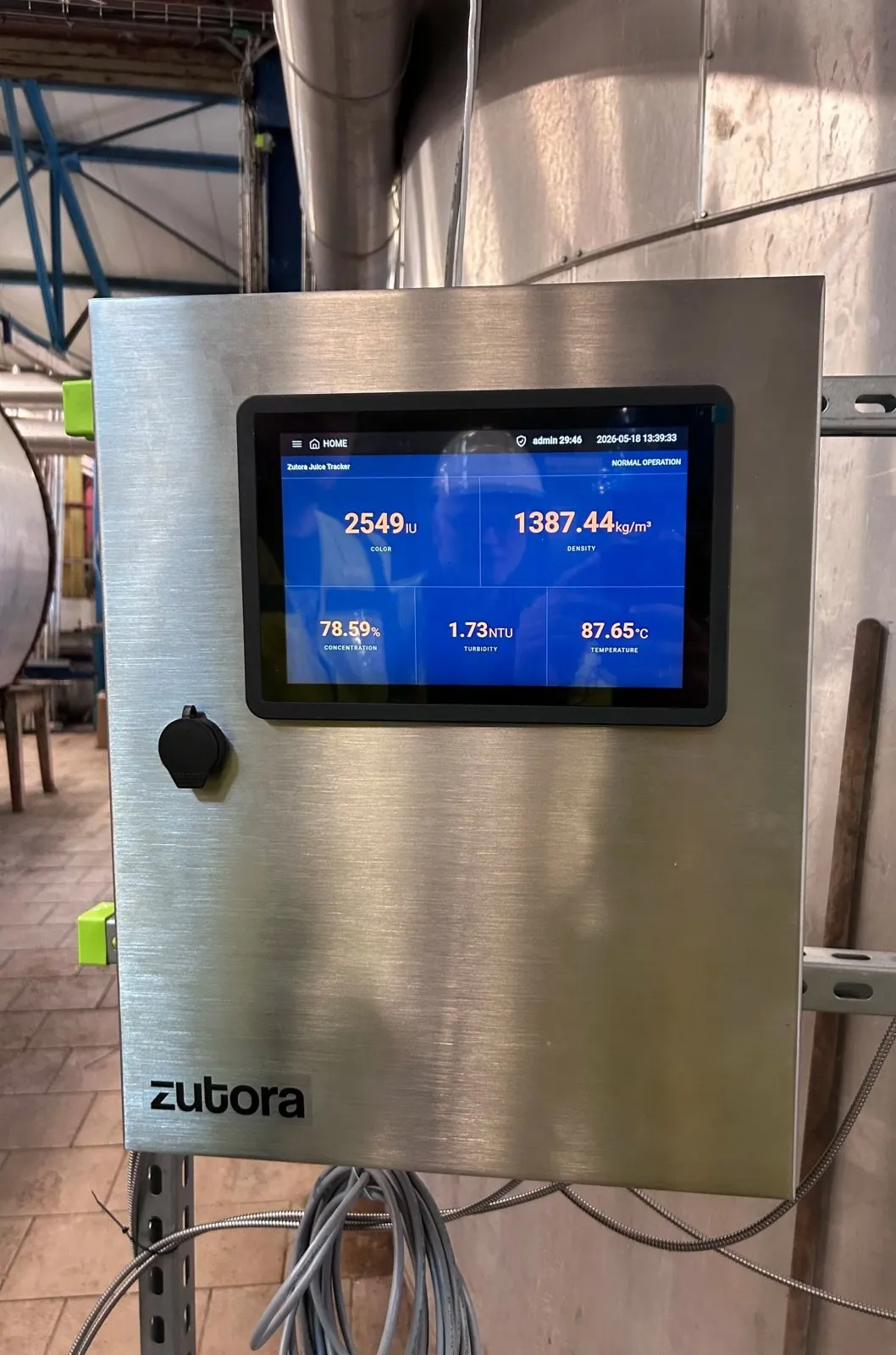
JuiceTracker panel showing live Brix and color values

Where to measure

From measurement values to process decisions

01

Earlier detection of process deviations

Continuous trends help operators see quality changes before they become major process problems.

02

Better purification control

Color and turbidity trends can help evaluate clarification and purification performance in near real time.

03

More stable evaporation and crystallization

Continuous Brix and quality trends support stable feed conditions for downstream process areas.

04

Reduced dependence on manual sampling

Inline monitoring does not replace laboratory analysis, but it provides continuous visibility between lab samples.

05

Better reporting and troubleshooting

Logged measurement data helps process engineers analyze deviations, compare shifts and identify recurring issues.

06

Foundation for process intelligence

Juice quality data can become part of broader sugar factory analytics, remote diagnostics and optimization services.

More than individual sensors

Individual analyzers can provide valuable measurements, but the real value comes from combining them into a process-specific monitoring system. JuiceTracker connects measurement values, compensation, trends, alarms and data export into one sugar-focused solution. This helps operators and process engineers see not only individual numbers, but meaningful quality trends.

Individual instrumentsJuiceTracker solution
Separate measurement valuesCombined quality overview
Local display onlyCentralized trends and logging
Raw measurement valuesCompensated and interpreted process values
Limited process contextSugar-specific quality monitoring
Manual comparison of valuesEasier process analysis and reporting
Separate sensor diagnosticsIntegrated diagnostics and system overview

Part of a wider sugar process intelligence concept

Juice quality monitoring can also become part of a broader sugar factory data and optimization concept. When combined with crystallization data, evaporation performance and process KPIs, juice quality trends can help explain downstream behavior and support long-term process improvement.

Zutora can use JuiceTracker data as part of remote diagnostics, performance monitoring and sugar industry intelligence services.

Explore Zutora Sugar360 →
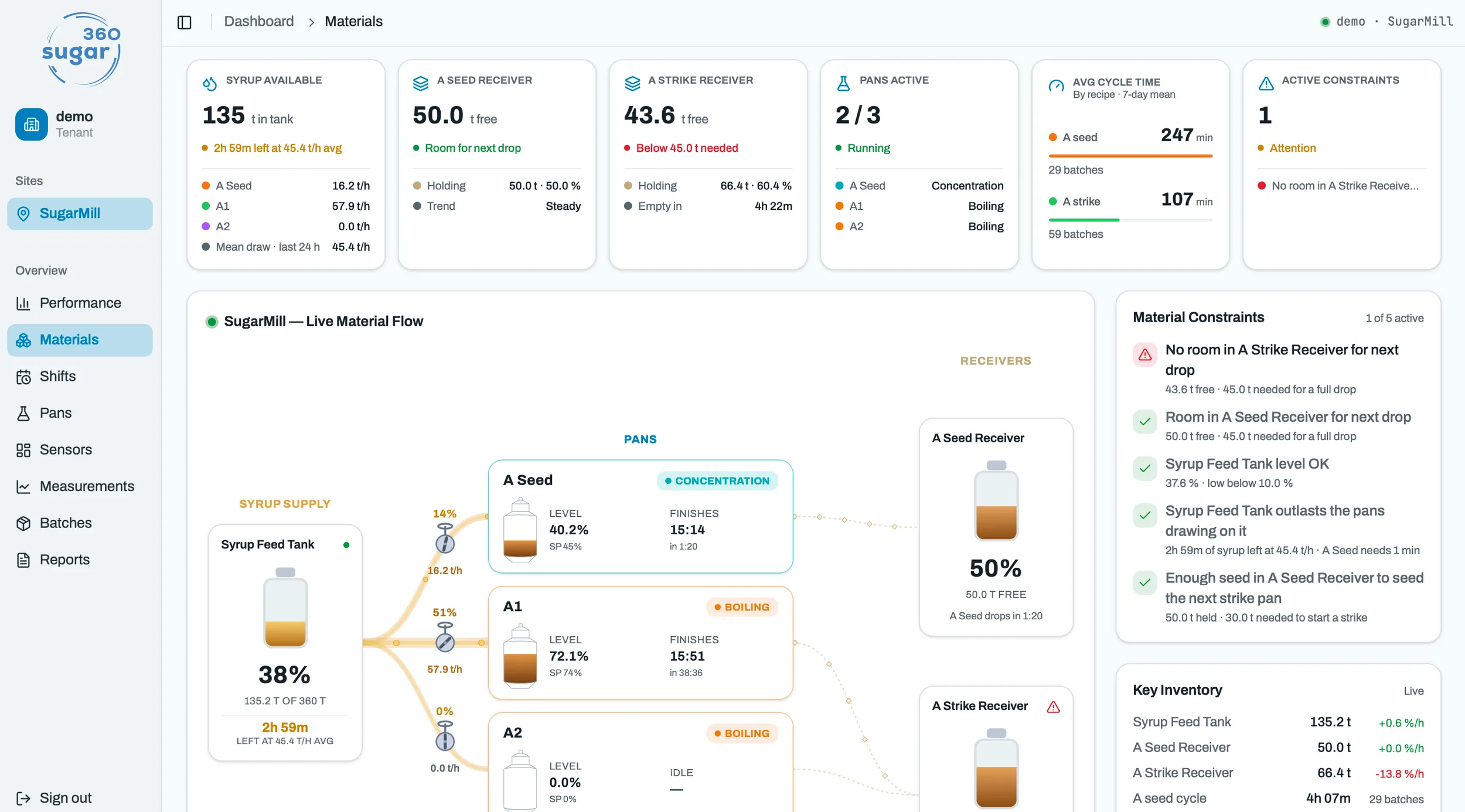
Sugar360 dashboard with pan floor status and red flags

Frequently asked questions

What is sugar juice quality monitoring?

Sugar juice quality monitoring is the continuous measurement of key process values such as Brix, color, turbidity and temperature in sugar juice streams. It helps operators follow quality changes between laboratory samples and detect process trends earlier.

Zutora’s JuiceTracker solution combines these inline measurements into one practical monitoring system for sugar factories.

Which sugar juice parameters can be measured inline?

Typical inline parameters include Brix or concentration, color, turbidity, optical absorption and temperature. Depending on the application, additional calculated or compensated values can also be used.

Zutora helps select and integrate the right combination of refractometers, photometers and other sensors for each measurement point.

Does inline juice monitoring replace laboratory analysis?

No. Laboratory analysis remains important for reference, calibration and quality control. Inline monitoring provides continuous visibility between laboratory samples and helps operators react faster to changing process conditions.

Zutora designs inline systems to complement laboratory data, not replace it.

Where should juice quality be measured in a sugar factory?

Typical measurement points include raw juice, clarified juice, clear/thin juice, thick juice, syrup and crystallization feed streams. The best locations depend on the factory layout and the process questions you want to answer.

Zutora can help evaluate suitable measurement points based on the factory’s process and control objectives.

Why measure color inline in sugar juice?

Inline color measurement helps factories monitor purification performance, detect process changes earlier and understand how juice quality may affect evaporation, crystallization and final product quality.

Zutora can combine inline color measurement with Brix, turbidity and temperature trends to create a more complete juice quality picture.

Why combine Brix, color and turbidity?

A single measurement rarely describes juice quality completely. Brix shows concentration, color indicates dissolved color-forming components, and turbidity can indicate suspended solids or clarification-related issues.

JuiceTracker combines these values into continuous trends, alarms and quality indicators for sugar factory operation.

What is JuiceTracker?

JuiceTracker is Zutora’s inline sugar juice quality monitoring solution. It combines process analyzers, application-specific calculations, trends, alarms and data export to help sugar factories monitor juice quality continuously.

Can juice quality monitoring support crystallization control?

Yes. Juice quality affects evaporation, syrup quality and crystallization behavior. Continuous Brix, color and turbidity trends can help explain downstream changes and support better interpretation of pan performance.

Zutora can connect juice quality monitoring with broader sugar process intelligence and crystallization control concepts such as SeedMaster.

Improve visibility into your sugar juice quality

Headquarters

Zutora Informatikai Kft.
Vaskapu utca 20.
1097 Budapest
Hungary
info@zutora.com · (+36) 30 688 8757

Local representatives

Mexico & Central America · France & Africa · Germany · Poland · Austria · Australia · South Africa · Southeast Asia · Turkey